Skip to content
Spend $50, Get Free Shipping! QUESTIONS? CALL 1-800-427-7660
Navigation
VisiVite
Newsletter
0
About
FAQs
About Dr. Krawitz
VisiVite Blog
Customer Login
Dr. Endorsements
This VisiVite Advantage
Visionary Eye Nutrition
Dr. and Pharmacy Info
Wholesale Login
Manage Subscription
How to Manage your Subscription
Contact us
Our Mission
Eye Health Resources
Scientific Publications
Eye Health News
Compare VIsiVite AREDS 2 Gold
Eye Health Library
Additional Eye Resources
Dr. Paul Krawitz Photography
Eye Vitamin Advice
Site for Life Magazine
Testimonials
Macular Degeneration
Premium AREDS 2
AREDS 2
AREDS 1
Healthy Eyes
Brain & Body
Brain and Body Health
Omega 3s
All Products
Bundle & Save
About
FAQs
About Dr. Krawitz
VisiVite Blog
Customer Login
Dr. Endorsements
This VisiVite Advantage
Visionary Eye Nutrition
Dr. and Pharmacy Info
Wholesale Login
Manage Subscription
How to Manage your Subscription
Contact us
Our Mission
Eye Health Resources
Scientific Publications
Eye Health News
Compare VIsiVite AREDS 2 Gold
Eye Health Library
Additional Eye Resources
Dr. Paul Krawitz Photography
Eye Vitamin Advice
Site for Life Magazine
Testimonials
Macular Degeneration
Premium AREDS 2
AREDS 2
AREDS 1
Healthy Eyes
Brain & Body
Brain and Body Health
Omega 3s
All Products
Bundle & Save
About
FAQs
About Dr. Krawitz
VisiVite Blog
Customer Login
Dr. Endorsements
This VisiVite Advantage
Visionary Eye Nutrition
Dr. and Pharmacy Info
Wholesale Login
Manage Subscription
How to Manage your Subscription
Contact us
Our Mission
Eye Health Resources
Testimonials
Macular Degeneration
Premium AREDS 2
AREDS 2
AREDS 1
Healthy Eyes
Brain & Body
Brain and Body Health
Omega 3s
All Products
Bundle & Save
Filters
Sort by
Brain and Body Health Supplements
Doctor-formulated, naturally sourced, and made in the USA
Filters
Filters
Availability
In stock (1)
Out of stock (0)
Price
$
to
$
Apply filters
1 product
Sort by
Featured
Sort by
Featured
Most relevant
Best selling
Alphabetically, A-Z
Alphabetically, Z-A
Price, low to high
Price, high to low
Date, old to new
Date, new to old
Save $7.00
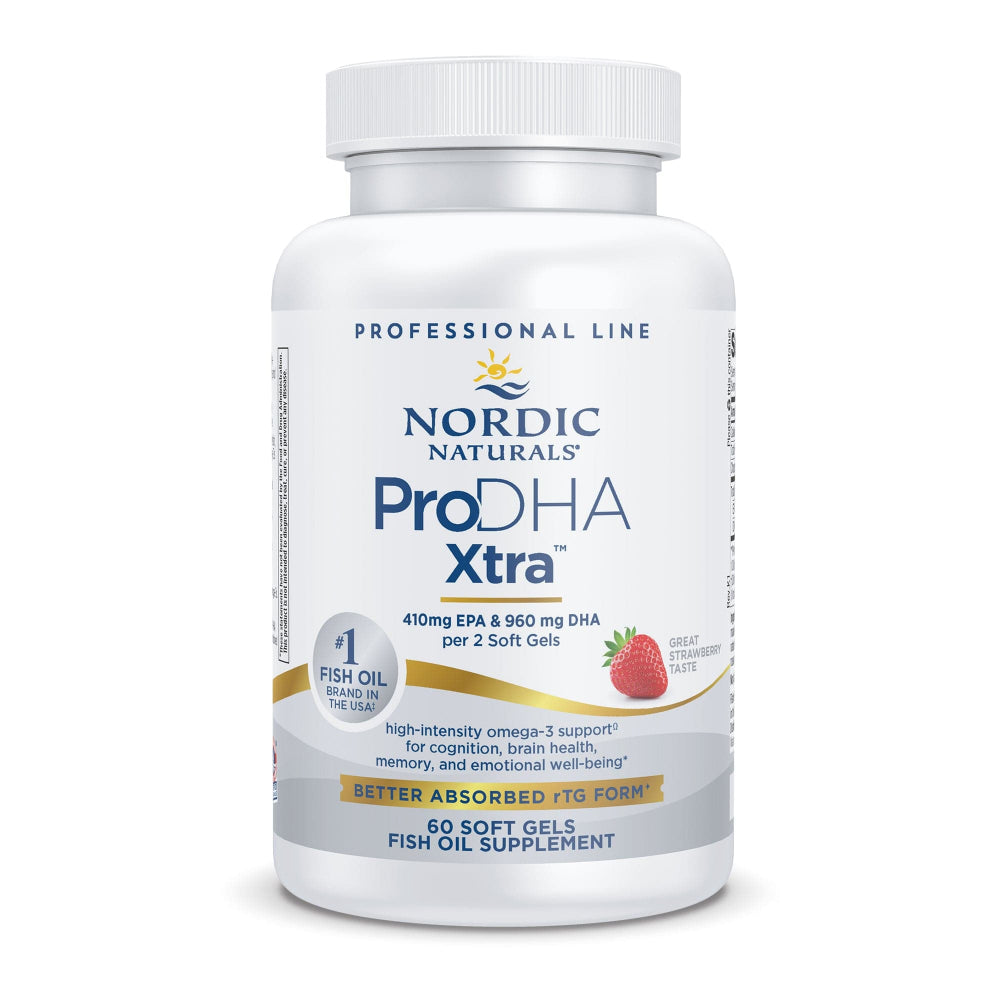
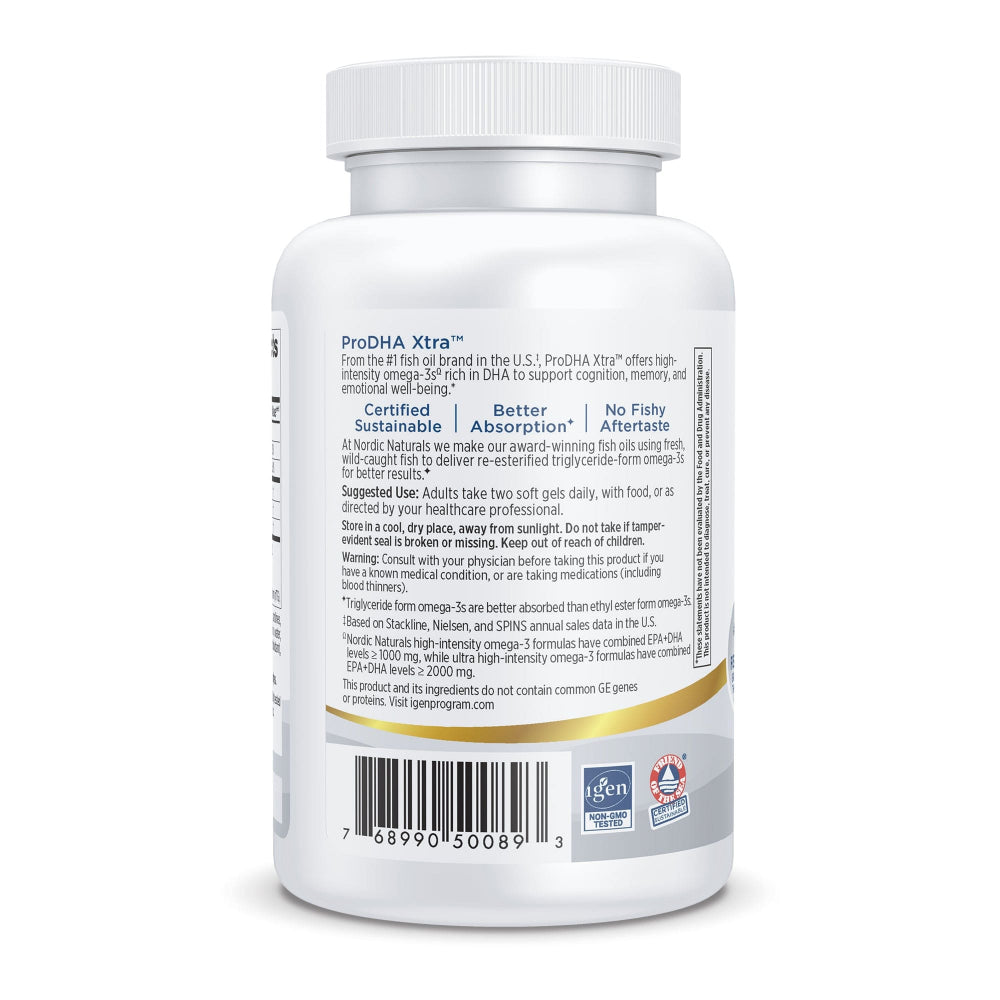
Nordic Naturals® ProDHA Xtra
Sale price
$37.95
Regular price
$44.95
6 reviews
+ Add to cart
{"themeColor":"#574cd5","iconColor":"#574cd5","showLogo":true,"topBottomPosition":10,"rightLeftPosition":10,"iconSize":"small","iconCustomSize":64,"position":"bottom-left"}