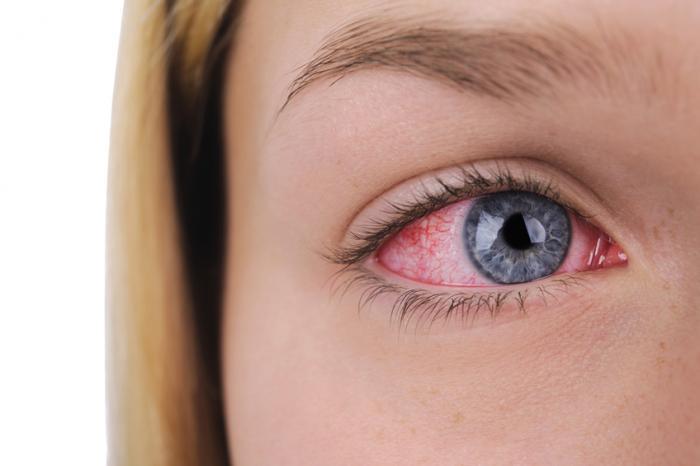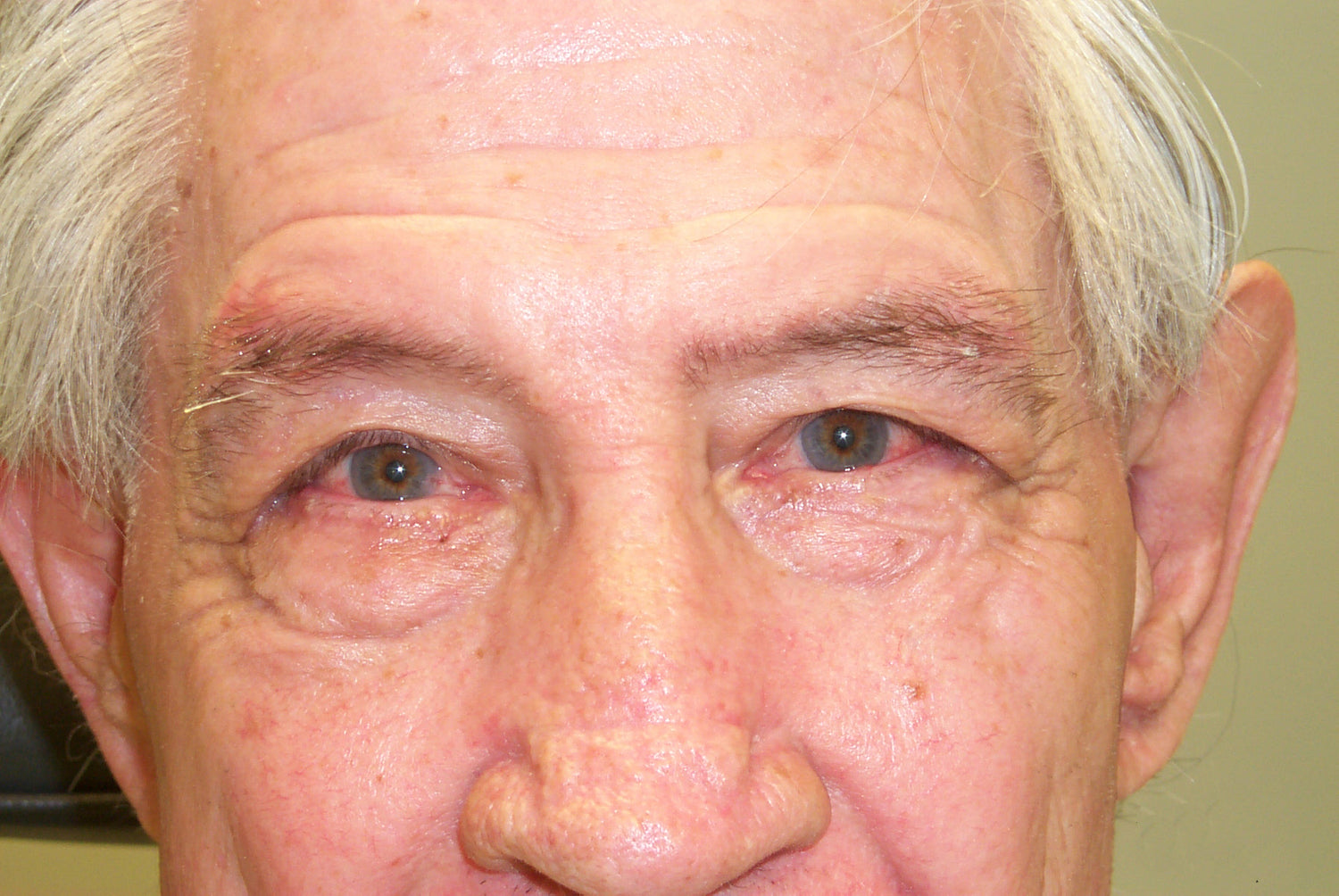
Rosacea is a chronic inflammatory skin disorder characterized by redness and blemishes around the face, especially the forehead, nose and cheeks. When rosacea affects the eyes, the condition is known as ocular rosacea.

Ocular Rosacea Symptoms and Warning Signs
- Dry eyes
- Redness
- A burning, itching or stinging sensation in the eyes
- Blurred vision
- Photophobia (sensitivity to light)
- Styes or blepharitis (swollen eyelids)
- A feeling of having a foreign body in the eyes
- Scaly, reddened skin around the eyelids
Rosacea symptoms may present as "flare-ups" that can come and go. If you routinely experience any of the above symptoms, consult with your ophthalmologist or dermatologist for a professional diagnosis and treatment plan.
Ocular Rosacea Causes and Contributing Factors
The cause of ocular rosacea is unknown, but medical experts believe it may be due to a combination of genetic and environmental factors.
Ocular rosacea tends to affect women more than men, is most commonly seen in adults between the ages of 30 and 60, and occurs most frequently among people with fair complexions.
Those who blush easily, have a family history of rosacea, or are experiencing menopause all have an elevated ocular rosacea risk. As many as 50% of people diagnosed with skin rosacea may also display symptoms of ocular rosacea. However, ocular rosacea may still manifest even when skin rosacea is not present.
Ocular Rosacea Treatment
Like skin rosacea, ocular rosacea has no known cure. Several effective treatment options do exist. It is important to address ocular rosacea right away, as the condition is likely to become more severe over time if left untreated, and may even lead to eye infections or eye ulcers that can impair vision. In extreme cases, ocular rosacea may lead to perforation of the eye that can result in blindness. Earlier treatment of ocular rosacea is associated with better outcomes. Ocular rosacea treatments include the following:
- Oral antibiotics like tetracycline, doxycycline, erythromycin or minocycline are commonly prescribed for ocular rosacea.
- Metronidazole, a topical antibiotic gel, may also be prescribed. Metronidazole is typically applied to the eyelids daily for a period of several weeks.
- Oral corticosteroids are sometimes prescribed by doctors as a temporary measure to reduce ocular rosacea inflammation, though such cases are rare. Corticosteroids may trigger rosacea flare-ups, and should be used with caution.
- Nutritional supplements may help to manage the Dry Eye Syndrome symptoms that are commonly associated with ocular rosacea. VisiVite's Dry Eye Relief Tear Stabilization Formula helps support the outer tear film of the eye that can be affected by ocular rosacea, promoting eye comfort while helping to moisturize and protect the eyes.
Helpful Lifestyle Changes
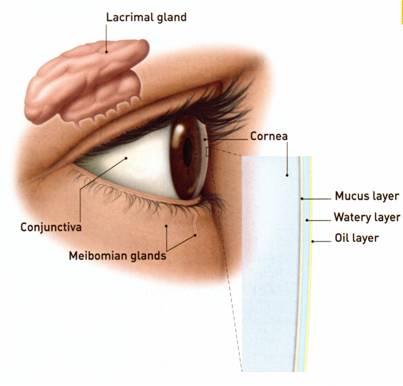
- The eye dryness common in ocular rosacea can irritate the cornea, or outer surface of the eye. Inflamed eyelids may make this irritation worse, and can compromise eyesight. For these reasons, regularly cleaning the eyelids and the areas around the eyes with warm water is recommended, and can be supplemented with artificial tears. Warm compresses may also be helpful.
- Identify and avoid rosacea-aggravating factors as much as possible to minimize flare-ups. Rosacea triggers may include spicy foods, alcohol, caffeine, wearing contact lenses, exposure to extreme temperatures, stress, hot baths, or even strenuous exercise.
- Make an appointment as soon as possible with an ophthalmologist if you experience any of the above symptoms or triggers. If you already suffer from skin rosacea, a doctor may wish to discuss your treatment history and schedule an eye exam to check for ocular rosacea.