
Dr. Krawitz,
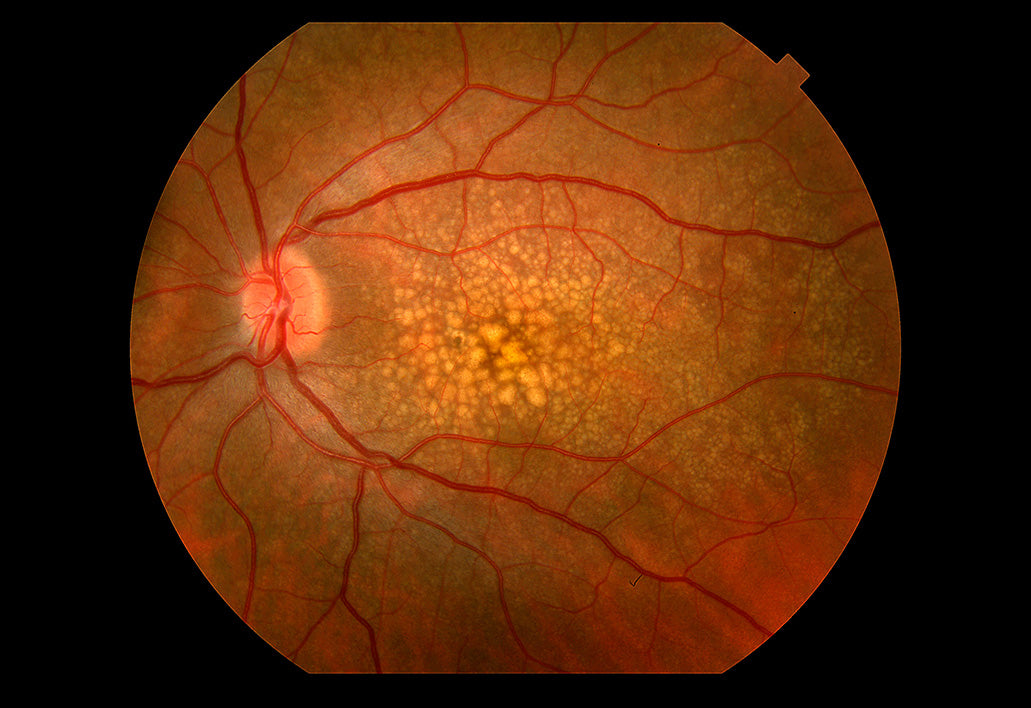
During last summer I was doing yard work (mowing, raking, some lifting) and when I was about finished I suddenly noticed some very large black spots (floaters) in my left eye. I went to the eye doctor the next day, and he told me that some gel in my eye had liquefied and was pulling away from my retina. Not only was a seeing floaters, but also bright flashing lights whenever I looked to the side suddenly (especially at night). Over a period of several months, the floaters weren't as dark and didn't bother as badly as before. However, then, I soon noticed that my left eye seemed to have a 'filmy' spot or somewhat blurred spot near the center of my vision. When I went back to the eye doctor, he told me that I have a wrinkle in my retina. Right now, with glasses, I still have at least 20/30 vision, so the doctor told me that surgery would not be attempted at this point. Currently, there is no tear in my retina; however, the 'hanging-on' of gel to my retina has caused the wrinkle to occur.
It is my understanding that there is currently no cure for this condition? I am only 67, and I wish there were something I could do. I am especially bothered whenever I am reading, or if I watch the computer screen or drive a car over an extended period of time. I am assuming that if we were more advanced in stem cell research, that such techniques could repair my retina? However, even if we were to this point in medical advancement, is there anything which can be done to increase the stability of the gel within the eye? Are there any products on the market which could help with this? How about taking Collagen Type 1 & 3? Could this possibly help?
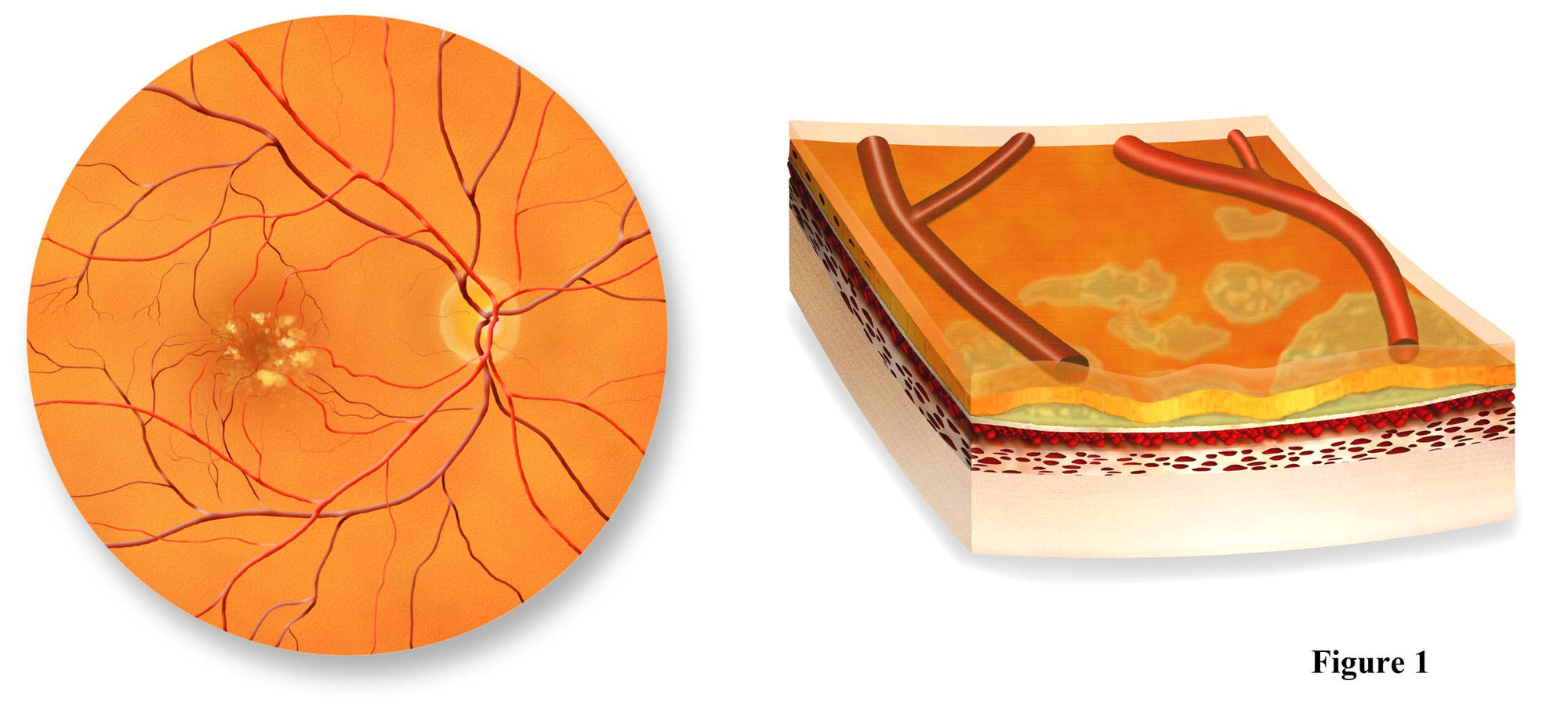
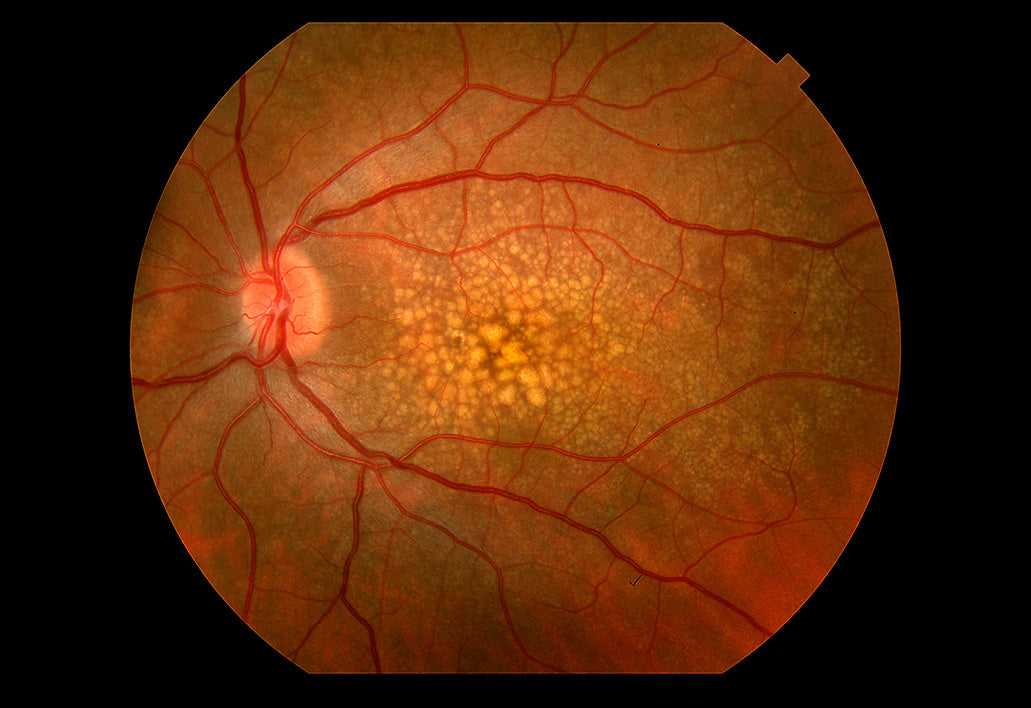
P.S. - I wrote you earlier (last year) about my dad who is 92 and has AMD [dry]. I was wishing that stem cell research were further along, so that he could still benefit during his lifetime. At the time, I did not realize that I would soon be in a related predicament with the 'wrinkled retina' problem! Do you have any updates on how the stem cell research is progressing?
Thanks,
Richard S.
~~~~~~~~~~~~~~~~~~~~~~~~~
Dear Richard,
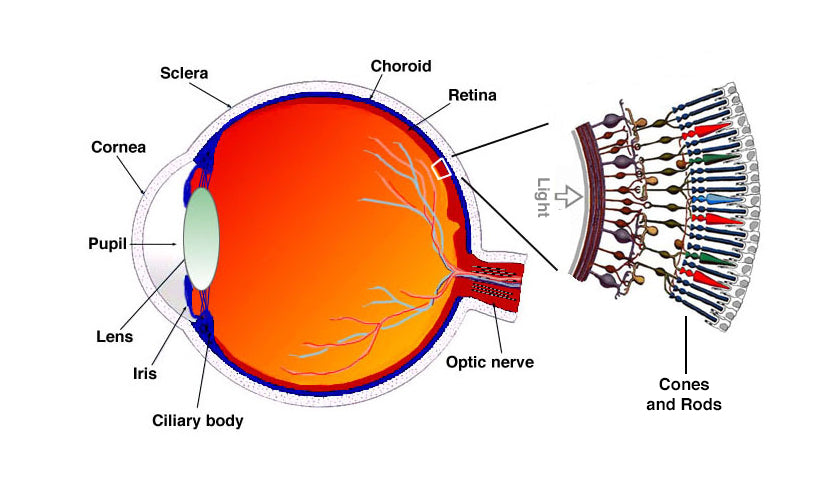
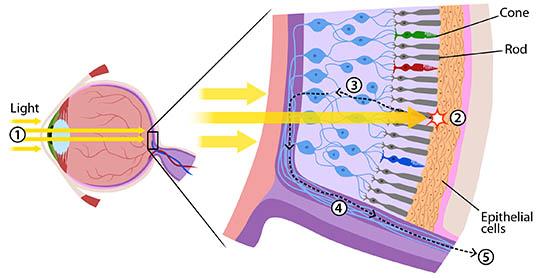
The eye is filled with two chambers of fluid - in the front of the eye is aqueous humor, or more simply, "salt water." But in the back of the eye is the vitreous humor, a more complex fluid chamber that actually supports a lattice of collagen protein fibers. As we get older, the vitreous humor starts to lose some of its saltwater content and shrink, a process that is known as vitreous syneresis. If the vitreous gel shrinks enough, it can separate from retina, which is the inner lining of the eyeball. Besides age, there are other causes of vitreous separation from the retina, including trauma and surgery. If the protein strands in the vitreous pull hard enough on the retina during this process, it can cause the retina layer to tear, which if untreated, can lead to a retinal detachment.
Fortunately, most vitreous separations are not dangerous, and lead only to the person seeing the condensed clumps of protein causing shadows, a process that is known as vitreous floaters.
It is impossible for me to intrude upon the findings of your own doctor, but vision of 20/30 with a relatively normal exam can be due to many reasons, including early cataract formation, large vitreous floaters, and in fact, the "wrinkled retina" that you apparently have.
What is confusing to me is that "wrinkled retina," which is scientifically known as macular pucker or macular gliosis, which forms due to traction from the collagen in the vitreous, would actually get better following a vitreous separation UNLESS the vitreous is still attached at that single point in the macula. In fact, removal of the vitreous gel and collagen fibers surrounding the macular pucker is a well-accepted treatment to attempt to improve this condition. But very few surgeons would consider intervention at your current visual acuity, which is relatively good.
Once the vitreous completely detaches from the retina, although the floaters may be transiently worse, the risk of a retinal tear and detachment decline.
I must emphasize to anyone who thinks eye floaters are always benign (not dangerous) that new onset of floaters ALWAYS warrants a prompt dilated examination of the retina, especially when the symptoms include seeing sparks of light (photopsias) in the side vision.
You may wish to consider use of my Dry Eye Relief capsules to reduce the symptoms of the floaters. Importantly, the floaters themselves remain. But improving any dry eye that you have can alleviate symptoms somewhat.
--
Paul L. Krawitz, M.D., President