Zeaxanthin Information - Benefits to Retinal Health
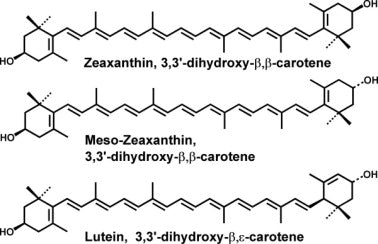
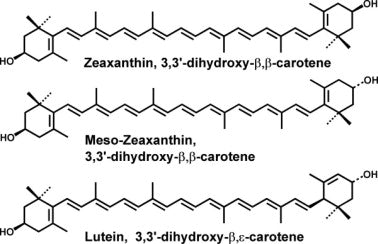
Zeaxanthin is a carotenoid; a plant-derived yellow pigment with high antioxidant activity. The richest zeaxanthin food sources include leafy greens like kale, Swiss chard, spinach and watercress.
Why do we need Zeaxanthin? Zeaxanthin supports eye health and crystal-clear vision.
The National Eye Institute (NEI) has stated that If supplementation were in widespread use among individuals at risk for developing age-related macular degeneration (AMD), vision loss could be prevented in more than 300,000 people over age 55 during a 5-year period. Zeaxanthin is one of the supplements the NEI is talking about. In fact, the NEI has acknowledged that zeaxanthin has been shown to improve vision in patients with macular disease. Researchers have also linked zeaxanthin with a reduced risk of AMD.
How does zeaxanthin help eyes?
Zeaxanthin (along with lutein) is an eye vitamin that migrates to the eyes and is drawn into lens, macula and fovea (at the retina's center). In the macula and fovea, zeaxanthin helps build the yellow macular pigment shield that protects eye cells from dangerous light frequencies. Zeaxanthin also provides powerful antioxidant activity, neutralizing the free radicals that destroy eye cells. The chart below reflects a study that found zeaxanthin (ZEA) significantly reduced light-induced free-radical damage in eye cells when compared with placebo.
Great Eye Health Potential
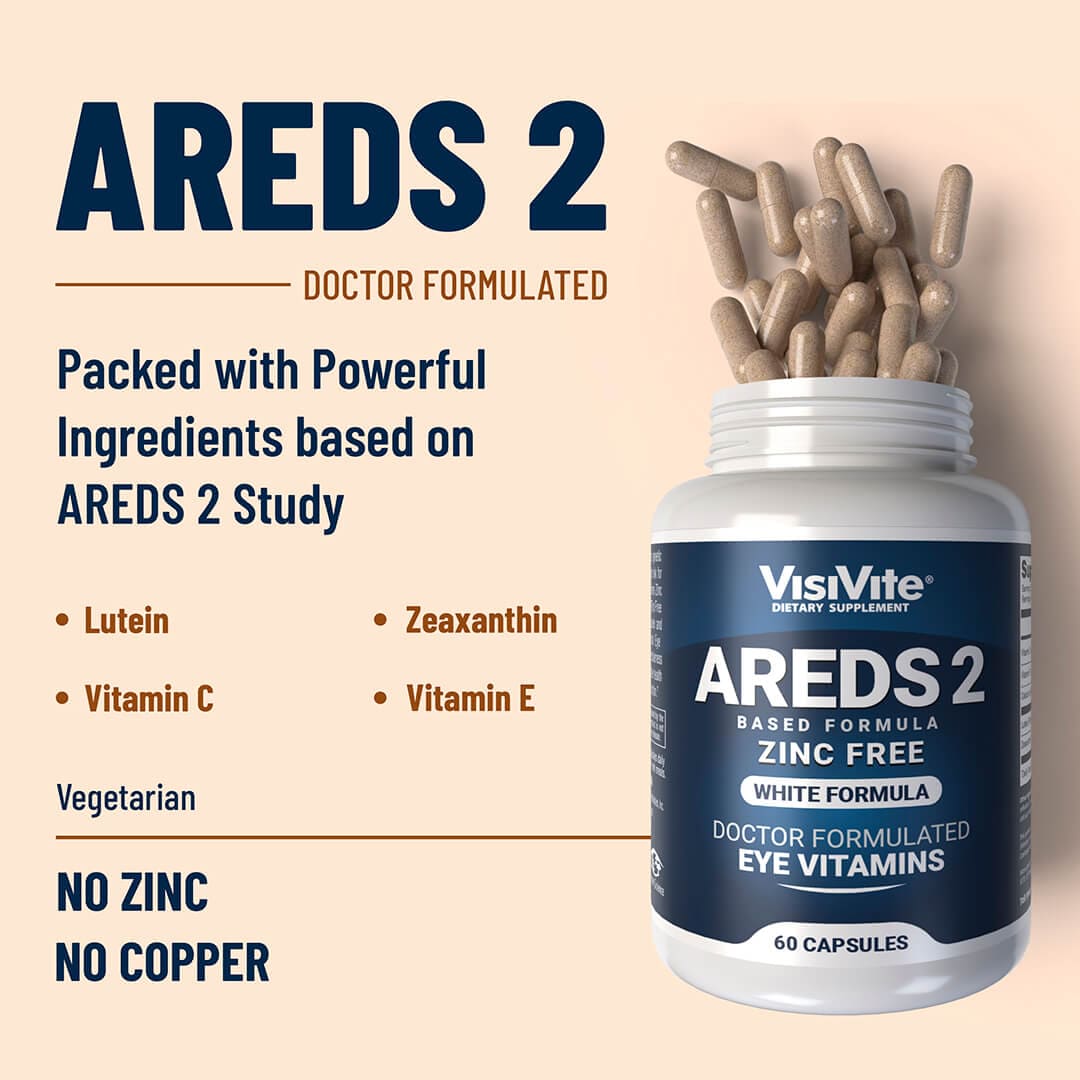
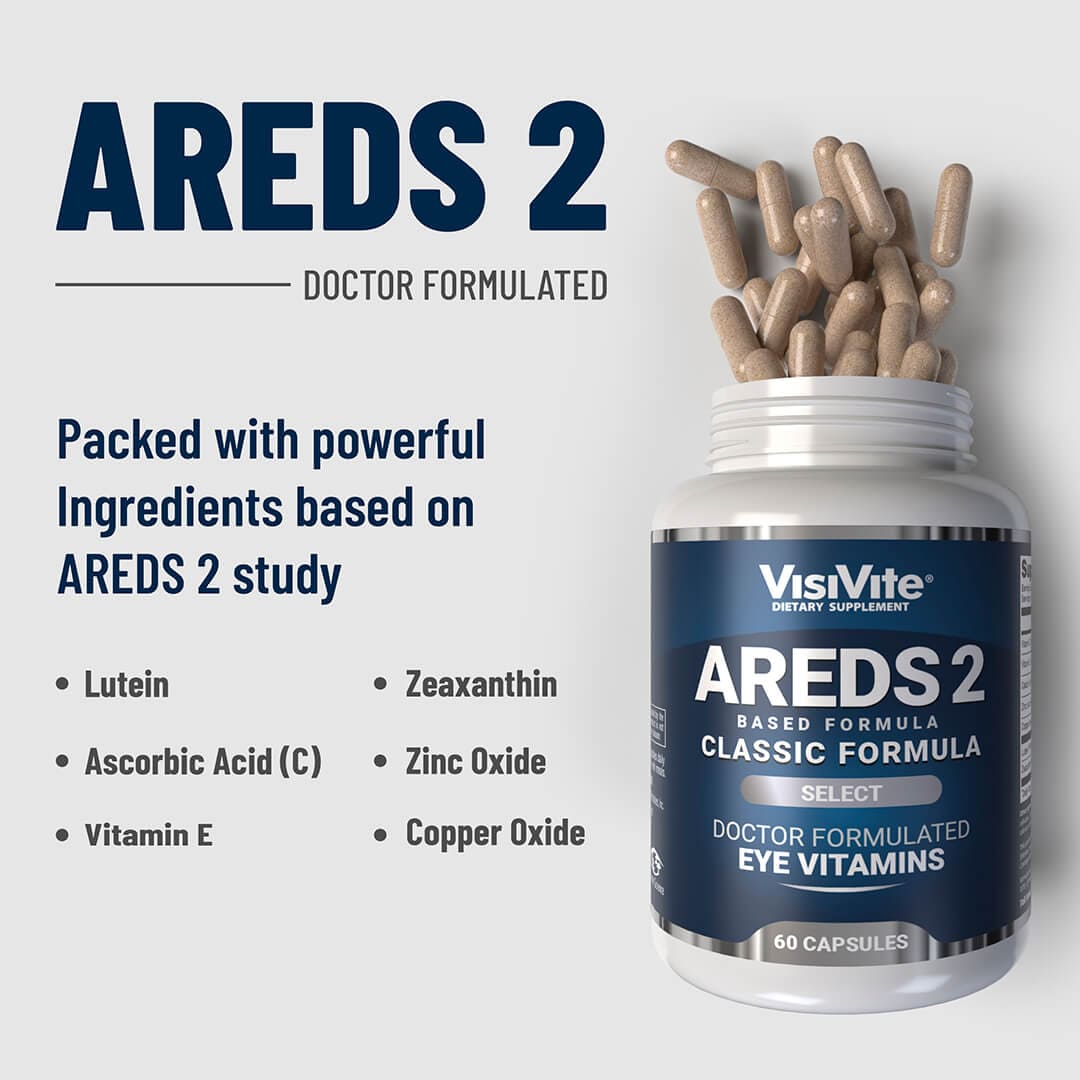
In 2006, the US Government launchedthe AREDS2 study, a follow-up to the first AREDS (Age-Related Eye Disease Study).
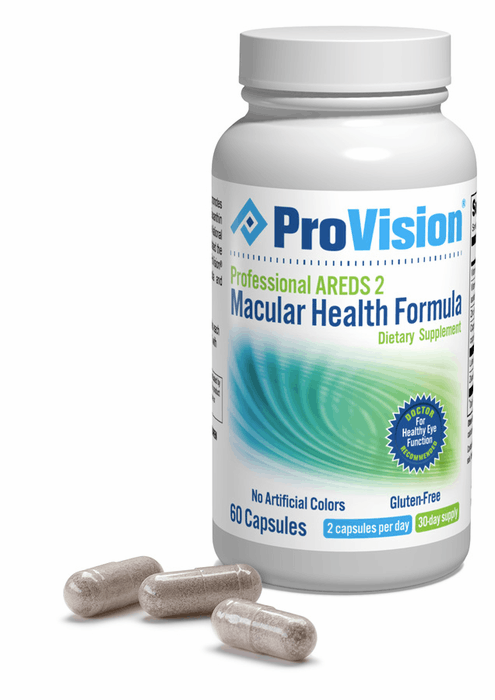
Because of the eye supplement's impressive AREDS results, government researchers are now focusing on zeaxanthin in AREDS2. The AREDS2 study will be completed in 2013, but in the meantime consumers can still get zeaxanthin from leafy greens and nutritional supplements.
Because of the eye supplement's impressive AREDS results, government researchers are now focusing on zeaxanthin in AREDS2. The AREDS2 study will be completed in 2013, but in the meantime consumers can still get zeaxanthin from leafy greens and nutritional supplements.Is Zeaxanthin Safe?
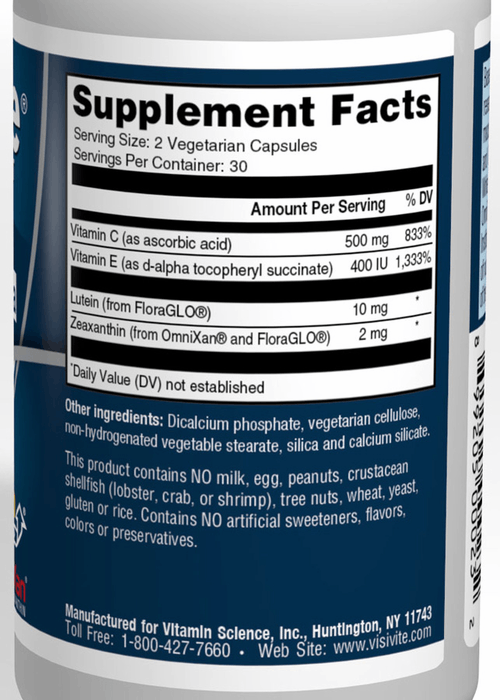
Zeaxanthin has been extensively tested on animals and humans at levels far above the maximum daily level (10mg) we recommend. Zeaxanthin is recognized by the United States Food and Drug Administration as "GRAS" (Generally Recognized As Safe).
Side Effects and Drug InteractionsThere are no known side effects or negative interactions of Zeaxanthin with other drugs. Individuals exceeding the maximum daily-recommended level for adults (10mg) and who are fair-skinned could see some yellow-golden coloration of the skin. It is advisable that you consult your physician or eye care professional before taking any new supplement or medication.
How Long to Take Zeaxanthin
Zeaxanthin supplementation should be a lifelong healthy practice. If you take Zeaxanthin supplements over time, they will help. Building your eyes' zeaxanthin levels is a gradual process. In volunteer trials, it took months of zeaxanthin supplementation to see measurable increases in the eye's macular pigment, but it's also worth noting that the pigment level kept increasing over the course of a year of supplementation.