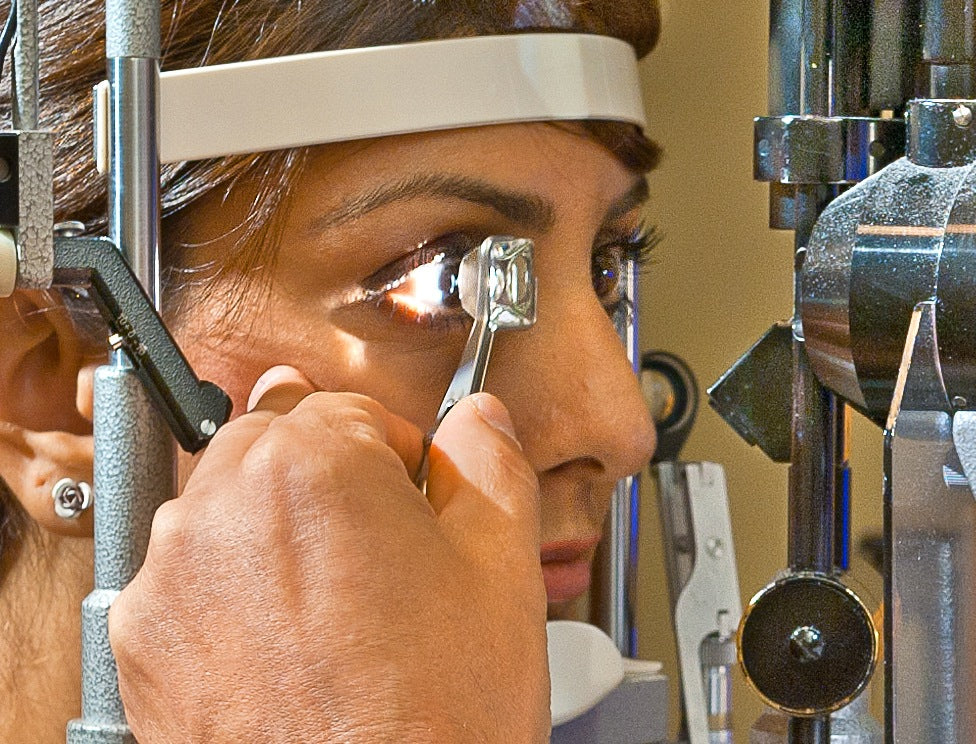
Understanding Glaucoma
The Guide To Preserving Your Vision: Understanding Glaucoma
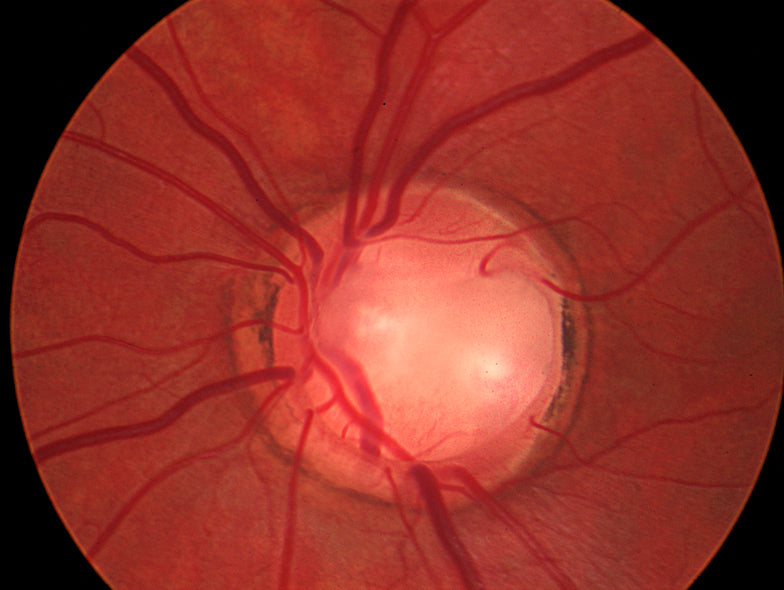
What is glaucoma?Like macular degeneration, glaucoma can rob you of your sight with barely any warning. Glaucoma is caused by optic nerve damage and is often an inherited disease and usually displays itself as one ages. It develops when excess fluid builds up inside the eye and causes pressure on the interior of the eye. The pressure, called intraocular pressure results in damage to the optic nerve. Ultimately, glaucoma can result in complete blindness.
What are the signs of glaucoma?
One of the most devastating parts of glaucoma is its lack of signs and symptoms. It’s important to visit your ophthalmologist at least once a year as you age to detect glaucoma and other vision-related problems. Certain people are more at risk for developing glaucoma than others, including:
- African Americans – African Americans are more inclined to develop glaucoma due to their genetics, researchers say.
- Adults Over 60 – Like other eye diseases, the risk of developing glaucoma increases as you grow older. Preserve your vision and maintain your quality of life by seeing your eye doctor for routine eye exams.
- Hereditary – Do you have family members who suffer from glaucoma? If so, your risk of developing the disease is much higher than other groups.
- Aging Hispanics – Researchers have also noted that glaucoma is frequently seen in Hispanics over 60.
- Steroid Users – Researchers also believe steroid users may have an increased risk of developing glaucoma. A study published in the Journal of American Medical Association showed that adults who needed to use a steroid inhaler for their asthma had a 40% increase in open angle glaucoma.
- People with Eye Injuries –Direct eye injuries can cause damage to the eye’s drainage system. This can result in traumatic glaucoma.
In order to protect yourself from the damaging effects of glaucoma, it’s best to arm yourself with the resources necessary to fight the eye disease. There are many different types of glaucoma, so read on to learn more.
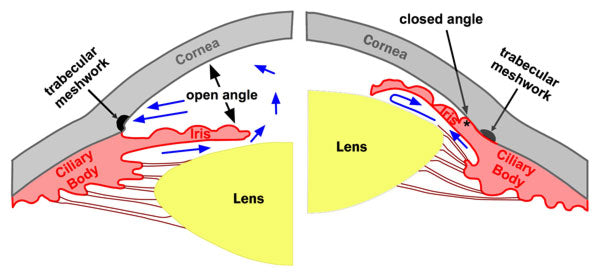
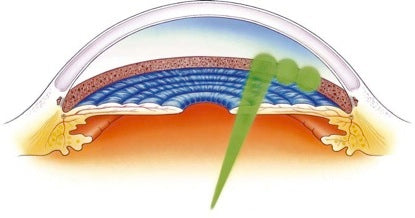
1. Angle Closure Glaucoma – Although it is an unusual form of glaucoma, it can also cause the greatest damage in the shortest amount of time. It occurs when the space between your cornea and iris is not as wide as it typically should be. If your pupil enlarges quickly, the outside rim of the iris clusters over the eye’s drainage canals. Treatment typically involves preventive laser surgery to create a tiny hole in the iris, which is usually successful.
2. Normal Tension Glaucoma (NTG) – NTG occurs when damage to the Optic nerve occurs despite the intraocular pressure in the eye being normal or low. A study by The Glaucoma Research Foundation showed that eyedrops are effective in lowering pressure in the eye. Doctors also use medications and laser surgery to keep Normal Tension Glaucoma under control.
3. Pediatric Glaucoma – There are three types of glaucomas associated with pediatric glaucoma: congenital glaucoma, infantile glaucoma, and juvenile glaucoma. One of the most effective ways to treat pediatric glaucoma is by early detection. Surgery is often required. It is important for all children to visit their eye doctor regularly.
4. Primary Open Angle Glaucoma – As the most common form of glaucoma, this occurs when the intraocular pressure increases because the fluid inside the eye is unable to drain out of the eye as quickly as normal. This causes gradual vision loss in the eye. Eyedrops are typically is effective in treating this particular type of glaucoma, although laser and surgery may be required.
5. Secondary Glaucoma - There are several types of secondary glaucoma, including pseudoexfoliative glaucoma, pigmentary glaucoma, traumatic glaucoma, neovascular glaucoma, and irido corneal endothelial (ICE) syndrome. Consult with your eye doctor to see whether you may be suffering from any forms of secondary glaucoma.
Glaucoma is a damaging eye disease that can result in blindness if left untreated. All of us at VisiVite.com want to help you preserve your vision for years to come by giving you the resources necessary to detect and battle glaucoma. Please check out our macular degeneration and Glaucoma Links to discover how to protect your eyes!